









Now Reading: 3 Big Lessons from Ivory Coast 3-0 Kenya: What Happens When David Meets Goliath?
-
01
3 Big Lessons from Ivory Coast 3-0 Kenya: What Happens When David Meets Goliath?

Advertisement

3 Big Lessons from Ivory Coast 3-0 Kenya: What Happens When David Meets Goliath?
 vinceoremoWorld Cup Qualifiers, National Team, African Football, Top Headlines, Latest Kenyan Football News, Harambee Stars
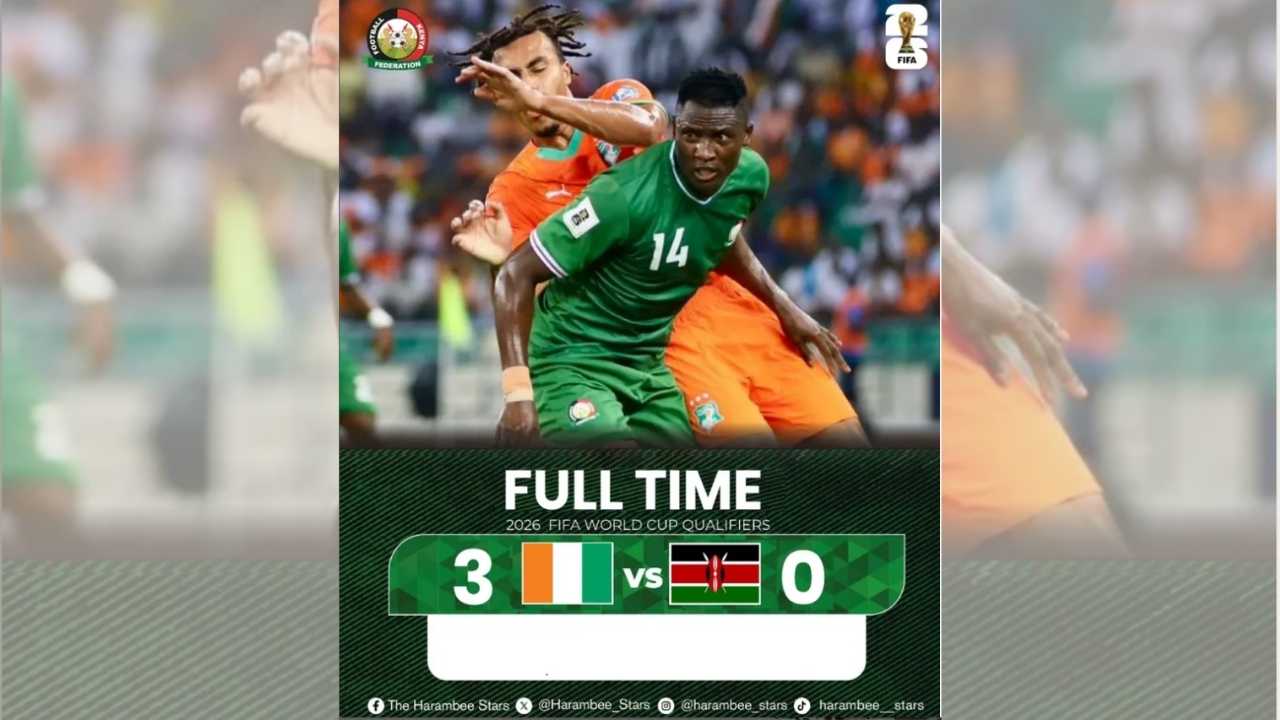
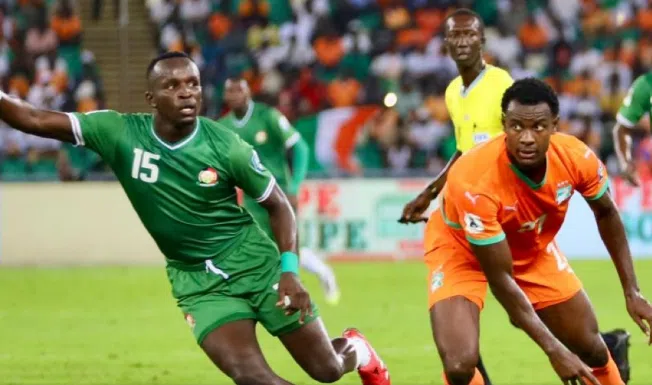
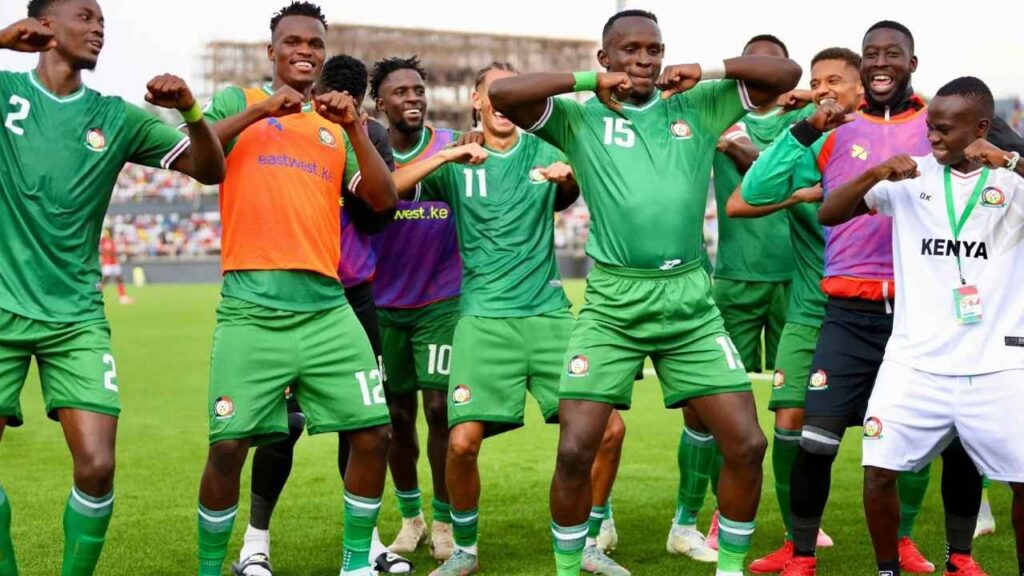
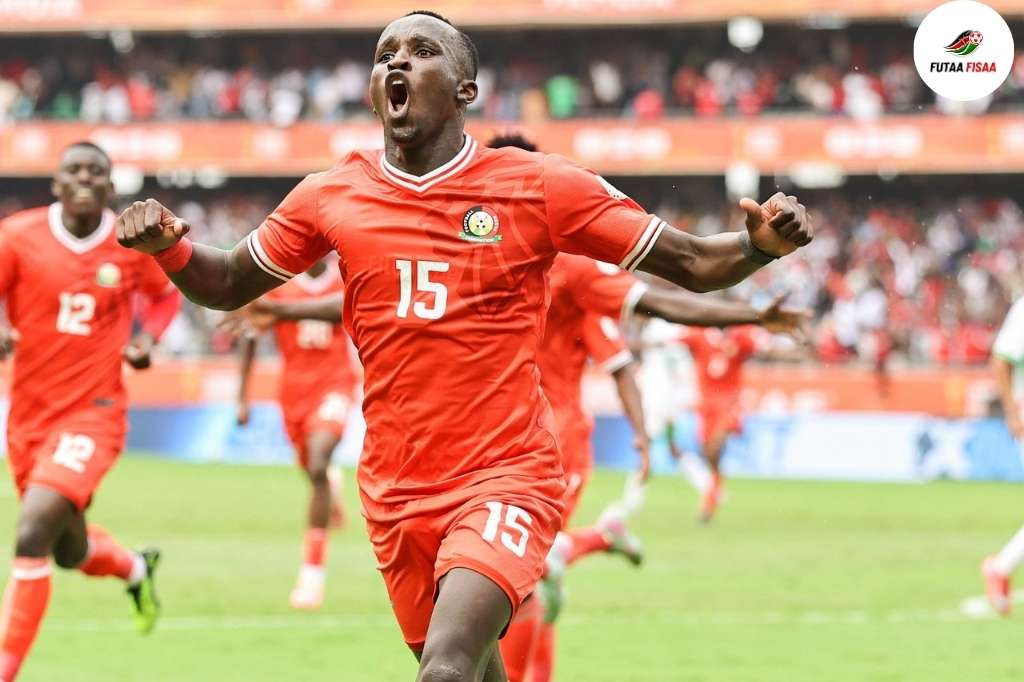
It was a rough night for Harambee Stars in Abidjan. But even in defeat, there’s much for Kenyan fans—from Kisumu to Mandera—to learn, hope for, and debate. The 3-0 loss to Ivory Coast wasn’t just a result; it was a story about experience, discipline, and the growing gap between Africa’s elite and its hopefuls.
Table of Contents
The Match in Numbers and History
- Ivory Coast sealed a 3-0 win over Kenya, officially punching their ticket to the 2026 World Cup.
- In the qualifiers so far, Ivory Coast hasn’t conceded a single goal across nine matches.
- Kenya, by contrast, finishes with 3 wins, 3 draws, and 3 losses, and a goal difference of +7.
- Historically, these nations have met only twice—in June 2024 (a goalless draw) and October 2025 (a 3-0 Ivorian win).
| Match | Result | Competition |
|---|---|---|
| June 2024 | 0-0 Draw | World Cup Qualifier |
| Oct 2025 | 3-0 (Ivory Coast win) | World Cup Qualifier |
That makes it two meetings: one draw and one win for the Elephants—a sign that while Kenya is progressing, the power balance is still tilted.
What Went Wrong for Kenya
1. Defensive Fragility Against a Clinical Opponent
Kenya’s defense was exposed repeatedly. Ivory Coast wasn’t just strong—they were ruthlessly efficient. Franck Kessié broke the deadlock early, and Amad Diallo remained a constant threat in transition. Kenya struggled to maintain shape, especially after conceding the first goal.
2. Missing Key Players and Squad Depth
The Harambee Stars were without Brian Bwire (injured) and Rooney Onyango (suspended)—two key names in their setup. When facing a side like Ivory Coast, every absence matters. The Elephants rotated confidently, while Kenya’s bench looked thin on options.
3. Tactical Hesitation and Mental Fatigue
Head coach Benni McCarthy and his side seemed cautious from the start. Kenya played to contain rather than challenge, and by the time they tried to press forward, the match was already beyond reach. Former AFC Leopards star Charles Okwemba had warned before kickoff that Ivory Coast would be “a test of courage and focus.” His words proved true.
The Bigger Picture: What This Means for Kenyan Football
Ivory Coast Reclaims Its Place on the Global Stage
The Elephants’ qualification for the 2026 World Cup ends a 12-year drought. As three-time AFCON champions, they’ve proven that consistent investment in infrastructure and youth systems pays off. From Kessié to Haller and Diallo, their stars reflect a well-built national system.
Kenya Faces a Reset Moment
For Kenya, the result was a reminder that rebuilding takes time. The appointment of Benni McCarthy earlier in 2025 was meant to signal ambition—but progress is measured by more than motivation. To compete at Africa’s top level, Kenya needs structural investment in coaching, scouting, and player development.
Lessons for Local Football Communities
- Discipline under pressure is key—Kenya must learn to stay compact even when chasing results.
- Squad depth is not a luxury but a necessity.
- Regular exposure to elite opposition helps close the experience gap.
Every county—from Mombasa to Bungoma—should look at this as a challenge to build stronger grassroots systems and talent pathways.
Spotlight: Ivory Coast’s Game-Changers
- Franck Kessié dominated midfield battles and dictated tempo.
- Amad Diallo’s pace and creativity left Kenyan defenders unsettled throughout.
- The Ivorian defense—anchored by experienced campaigners—remained calm and organized.
These players showcased what years of international experience and club discipline can achieve. For Kenya’s young stars, they represent both an inspiration and a target standard.
Voices from the Field
“If we try to sit back and defend 90 minutes against Ivory Coast, it is going to be a very difficult task,” said assistant coach Vasili Manouakis before the match.
“We will not fear any team,” Benni McCarthy had promised earlier in the qualifiers. Despite the result, his message of confidence remains important for Kenya’s football identity.
Final Thoughts: A Loss with Lessons
The 3-0 defeat stings, but Kenyan football is defined not by setbacks, but by responses. To bridge the gap with Africa’s best, we must invest in youth academies, coaching education, and consistent competition. Passion drives us—but structure sustains us.
Kenya’s journey to global football relevance continues, one match and one lesson at a time.
Share your thoughts: who do you think stood out for Harambee Stars despite the loss? Which local talents deserve national team opportunities? Let’s keep the conversation alive.
References:
- beIN Sports – Ivory Coast Makes History
- SportPesa Blog – Kenya vs Ivory Coast Preview
- Citizen Digital – Okwemba’s Prediction
- Reuters – McCarthy Appointed Kenya Manager
- ESPN – Ivory Coast National Team Stats
Support our work: https://buymeacoffee.com/vinceoremo
Join our WhatsApp Channel: https://www.whatsapp.com/channel/0029VaxudhH23n3h99CQMk0h