



















Now Reading: Data Analytics in Kenyan Football: How Science Is Powering the Game
-
01
Data Analytics in Kenyan Football: How Science Is Powering the Game

Advertisement

Data Analytics in Kenyan Football: How Science Is Powering the Game


Football is the heart of Kenyan sports — a game loved for its passion, unpredictability, and raw talent. Yet for years, local teams have relied more on instinct than intelligence. That era is ending.
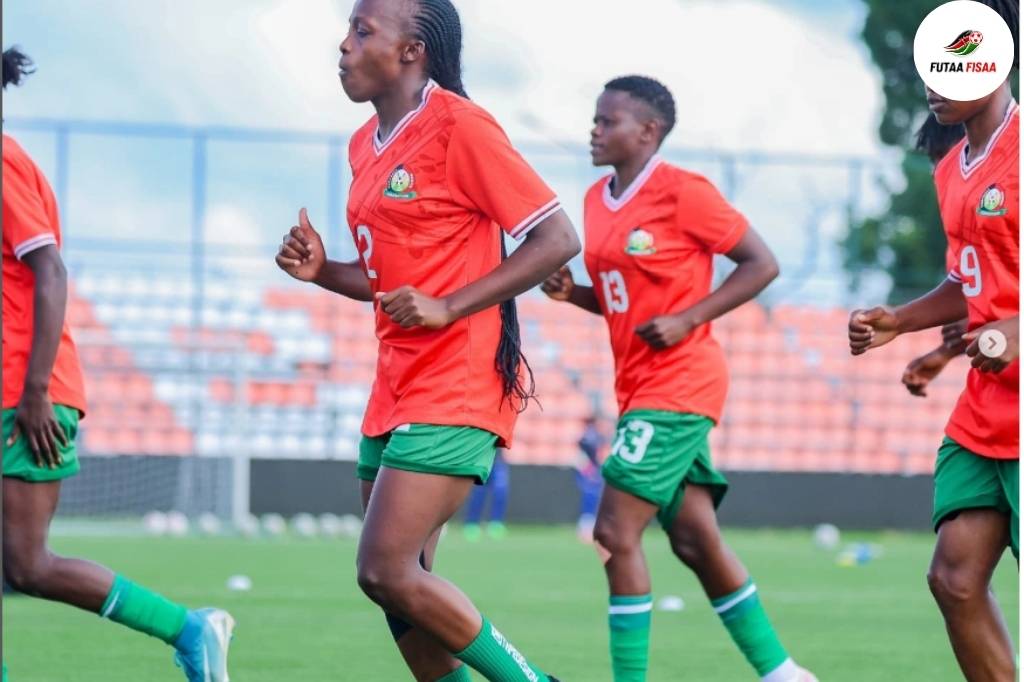
Across the globe, elite sports are being transformed by data analytics, and Kenya is now part of that revolution. Data analytics in Kenyan football is no longer just an idea — it is actively powering the Harambee Stars and inspiring local leagues such as the Kenya Women Premier League (KWPL).
This shift toward structured data and scientific application is helping coaches make smarter decisions, protecting players, and turning clubs into profitable enterprises. Performance analysis is now the backbone of modern football, influencing everything from field positioning and player recovery to tactical planning and talent development.
Table of Contents
Key Takeaways from the Data Revolution
- Harambee Stars players wear GPS vests that track key metrics like distance covered, speed, heart rate, and player load during training and matches.
- Nick Kimanthi, the national team’s Lead Data Analyst, bases training and substitution decisions on objective evidence rather than guesswork.
- In the KWPL, Zetech Sparks used data analytics to jump from 9th place (17 points) to 5th place (30 points) within a single season.
- Analytics revealed Sparks’ most vulnerable periods were the last 10 minutes of the first half and the final 20 minutes of the game, when 11 goals conceded were transition goals.
- Adopting data analytics helps African clubs attract investment, command higher transfer fees, and curb illegal player trafficking.
Harambee Stars: Leading the Nation with Data Science
The future of the Harambee Stars is being shaped not only on the training pitch but also through advanced data analysis. At the forefront is Nick Kimanthi (MBA, MSc, PhD candidate) — Team Manager and Lead Data Analyst.
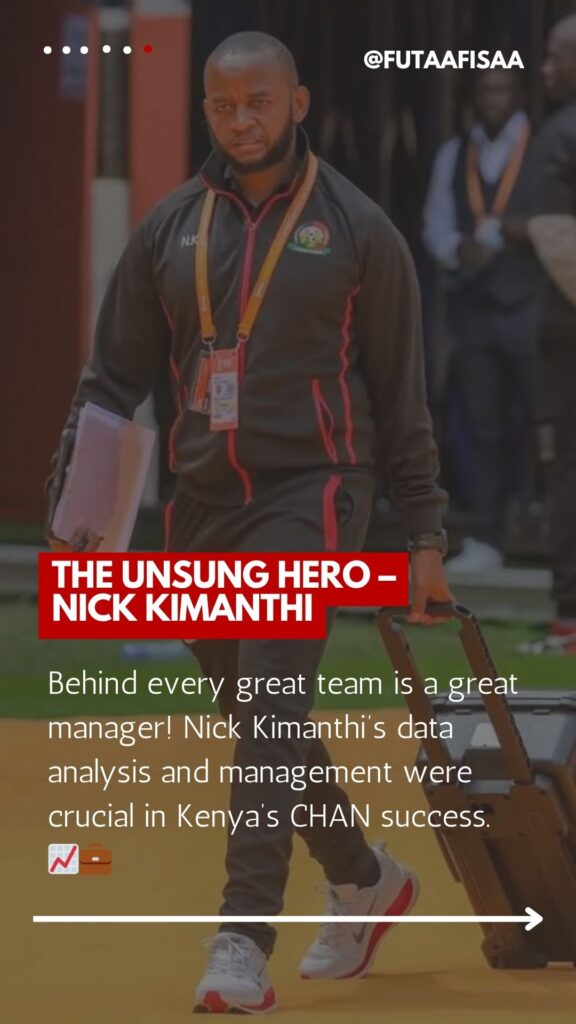
His role involves designing and implementing comprehensive performance analysis frameworks to evaluate both team and individual performance.
The Data Brain Powering Kenya’s National Team
Kimanthi stands at the intersection of sports science, technology, and management, turning raw numbers into actionable strategies that improve results on the pitch.
The black GPS vests worn by players during training and matches capture real-time performance data, helping him assess physical output, recovery needs, and tactical discipline.
| Data Collected | Strategic Application |
|---|---|
| Distance Covered & Speed | Designing training intensity and assessing physical capacity |
| Heart Rate & Player Load | Monitoring recovery and managing potential injury risks |
| Impacts and Work Ratios | Evaluating strength, tactical discipline, and long-term development |
Kimanthi’s experience is world-class. He has served as a FIFA World Cup Tournament Analyst (Qatar 2022), a Recruitment Analyst at QPR, and a Commercial Analyst at RCD Espanyol.
His philosophy is simple: “Africa’s athletic talent is elite, but without data and science, its full value remains untapped.”
Zetech Sparks: A Local Success Story Driven by Data
The impact of analytics in Kenyan football is vividly shown through the transformation of Zetech Sparks in the Kenya Women Premier League (KWPL).

In just one season, they rose from a relegation battle to a top-five finish — a testament to the power of evidence-based coaching.
| Season | League Position | Total Points | Key Data Insight |
|---|---|---|---|
| 2023/24 | 9th (Relegation Battle) | 17 points | Relied on traditional coaching methods |
| 2024/25 | 5th (Top Five Finish) | 30 points | Season average pass accuracy: 70.6% |
Head Coach Harriet Bwire embraced analytics, describing data as an “extra eye” on the game. She used reports from Tisini to validate her tactical insights and make post-match reviews more objective and precise.
Solving the ‘Leaking Late Goals’ Problem
Data revealed that Sparks’ weakest moments occurred during the last 10 minutes of the first half and the final 20 minutes of the match.
During these phases, the team’s quality actions dropped, with an increase in misplaced passes leading to loss of possession and quick counter-attacks — the source of 11 transition goals conceded.
With this insight, Bwire adjusted training to improve conditioning and focus during these critical moments. The result was a dramatic improvement in defensive stability.
Players have since become active participants in performance analysis, reviewing their own stats after every match to track growth and consistency — proof of a growing data-driven culture in Kenyan football.
Data as an Economic Game Changer for African Football
To compete globally, Kenya must view data not just as a coaching tool but as an economic engine.
Data provides market confidence, attracting sponsors, broadcasters, and long-term investors who demand measurable results.
In Europe, football generated €38 billion in revenue — a success story largely powered by data-led strategies in broadcasting, marketing, and player development.
Strengthening the Transfer Market
Data analytics helps African clubs build verifiable player profiles — tracking speed, passing accuracy, work rate, and positional heatmaps.
This data allows clubs to justify higher transfer fees, reduce recruitment risks, and boost credibility with international scouts.
It also addresses a major issue — illegal movement of teenage footballers. Without data, over 15,000 young players are trafficked from West Africa every year. Reliable data systems can protect players and ensure clubs benefit from their own development work.
| Benefit Area | Impact Summary |
|---|---|
| Sponsorship | Quantifiable ROI metrics attract long-term partners |
| Transfer Fees | Verified data helps clubs command higher prices |
| Risk Management | Reduces injury losses and prevents youth exploitation |
| Club Performance | Promotes tactical consistency and data-backed decision-making |
The Confederation of African Football (CAF) supports this revolution through the CAF Research Hub, offering stakeholders the data-driven insights investors and sponsors demand.
A Future Defined by Facts and Pride
The journeys of the Harambee Stars and Zetech Sparks show that data analytics is shaping the future of Kenyan football.
By blending our natural flair with scientific precision, Kenya is transforming from a source of raw talent into a globally competitive football industry.
Data-driven football means smarter coaching, safer players, better performance, and sustainable growth.
The future of Kenyan football will not be built on guesswork — it will be built on facts, analysis, and national pride.
Join our WhatsApp Channel: https://www.whatsapp.com/channel/0029VaxudhH23n3h99CQMk0h
Explore More on Our Linktree: https://linktr.ee/futaafisaa
Shop Futaa Fisaa Products: https://futaafisaa.co.ke/shop/